A medical alert system is a great way to keep your loved ones safe, whether they are an elderly parent who lives alone, a family member in need, or someone who is a patient at a care facility. It can make the difference between minor panic and a tragic event. These systems offer real-time monitoring and instant alerts in case of an emergency. They also provide peace-of-mind around-the-clock. With so many options today, families and healthcare professionals are often left wondering: Where should I purchase a medical alarm system?
This guide will walk you through all you need to understand — from what systems are available to where to buy them — to make an informed decision that is right for you.
Medical Alert Systems are more important than ever
Falling is one of the most common causes of injury or death in adults 65 years and older. Each year, one in four older adults falls, and the results can be disastrous without quick intervention. Medical alert systems reduce this risk by providing faster emergency response and continuous monitoring. In the most advanced cases they can even detect problems before human caregivers are aware of them.
As populations age around the world, and as families live further away from their elderly relatives, demand for these systems is increasing. There are many places where you can find a medical alarm system that meets your needs, whether it’s for a parent living independently at home or a nursing home.
Medical Alert Systems: Types Available Today
Understanding the types of systems available on the market is important before deciding where to purchase.
Personal Emergency Response System (PERS) is the first type and it’s most common. Wearable wristbands or pendants have a button that, when pressed, connects the user with a monitoring center. These devices are readily available and affordable, which makes them a first choice among families. However, they are limited by the fact that the user must be conscious to push the button. This is not always the case during an emergency or a serious medical event.
GPS-based mobile alert system is the second type. These devices provide real-time tracking of location both inside and outside of the home. They are ideal for seniors who have dementia or Alzheimer’s disease who might wander. These devices usually come with a subscription fee.
Thirdly, there are in-home medical alarm systems. They use landline and cellular connectivity to connect the user with a 24/7 monitoring center. The base station is located in the central part of the house, so that the user can call for assistance from any room. These systems are the most common ones in retail.
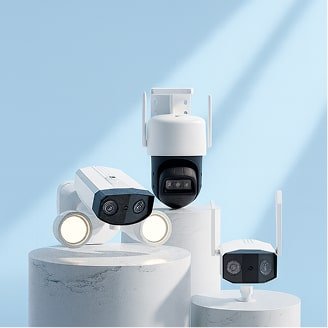
AI-powered systems are the fourth and most sophisticated type of monitoring system. These systems use cameras and machine-learning algorithms to detect falls and other abnormal movements in real time. 360 Alert is a company that operates in this area. 360 Alert’s platform transforms existing security cameras to intelligent, proactive safety monitors. They work continuously and automatically. Instant alerts are sent within seconds to caregivers or employees.
Medical Alert Systems: Where to Purchase?
Directly from the provider
It is always best to purchase directly from a provider’s website. You will receive a genuine item, have access to the full warranty, and be able to contact professional customer service from those who understand your system.
Direct purchase via 360alert.io, the website of AI-powered systems such as 360 Alert is the preferred channel for AI-powered systems. The 360 Alert team will provide ongoing technical support, professional installation and the latest version of the 360 Alert platform. Direct purchasing includes consultations to help you determine the best configuration for your home or hospital.
Online General Retail
Online retail stores offer a variety of medical alert systems, from entry-level to mid-tier. If you want to get your medical alert system quickly, these platforms are great for simple wearables and push-button devices. Buyers should be cautious when buying from third-party vendors on these platforms. Not all products are authentic, and after-purchase support may be limited or nonexistent. Verify that you are buying from a verified or official seller. Also, make sure the system comes with 24/7 monitoring center access.
Pharmacy Chains and Drug Stores
In-store, many major drugstores and pharmacy chains carry a limited selection of medical alert devices. Mostly, these are push-button pendants or simple base units. The pharmacy offers the benefit of being able examine the product physically before purchasing it. Staff can also provide some helpful advice. The selection will be limited to consumer-grade products, but not advanced AI-powered devices.
Medical Equipment and Specialist Retailers
Medical equipment retailers, both online and in physical stores, often offer a wider and more professional selection of products than other retail outlets. This channel is especially useful for hospitals, care homes or professional buyers as the staff in these stores are usually well-trained and can offer advice on regulatory compliance, compatibility with insurance, and how to integrate a system into existing workflows.
By using healthcare providers and insurance plans
As part of their senior care programmes and post-discharge plans, some healthcare providers or insurance plans provide medical alert systems. Certain Medicare Advantage plans in the United States include medical alert systems as a covered service. Ask if a medical alarm system is included in your health insurance plan. You may be eligible for a free or discounted one.
By using home security and telecom providers
Some home security companies and telecoms have moved into the medical alert market, bundling basic monitoring with home security packages. It can be convenient to have a single provider that offers both security and monitoring. These packages are designed with the main focus on home security, and may not have the same level of clinical precision, AI capabilities, or accuracy in fall detection as dedicated medical alert platforms.
Why 360 Alert is Different
360 Alert works on a different principle than traditional medical alarm devices, which place the burden of requesting help entirely on the user. Their AI-powered platforms monitor every room, each patient, and every hour of every day – detecting risks and falls before they escalate to full emergency.
This is a game-changing innovation for healthcare facilities and nursing homes. 360 Alert detects early warning signals — restlessness and unusual movements, as well as attempts to exit the bed — to alert caregivers and intervene before an emergency occurs.
The results are clear. In the first year after deployment, 360 Alert users report a reduction of 40-60 percent in falls. The system detects risks with 99% accuracy and sends alerts in seconds. It is also fully compliant with HIPAA and the GDPR regulations. The data is anonymized and stored on site, ensuring patient privacy at all times.
360 Alert was designed to scale. The system can be configured to meet your specific needs, whether you’re protecting a single private room or an entire healthcare network. They offer solutions for monitoring medical alerts in hospitals, assisted living facilities, nursing homes, and private residences. All of these are available on their website, 360alert.io.
What to look for before you buy
No matter where you decide to buy a medical alarm system, there are several factors that should influence your decision.
First, there is the method of detection. Buttons-based systems force the user to take action in an emergency. AI-powered systems do not. Automatic detection is not an option for anyone who has cognitive impairment, dementia or mobility issues.
Second, is the response time and coverage. The infrastructure that supports a medical alert system will determine its effectiveness. Monitors should be available 24/7, 7 days a week. Alerts should reach emergency responders or caregivers within seconds, not minutes.
Third, privacy and regulatory compliance. Compliance with HIPAA or GDPR, especially for systems used in residential care or healthcare settings, is non-negotiable. You should ask the provider where their data is stored and who has access. Also, inquire about how they protect it.
Installation and support are the fourth step. Others require professional installation to achieve optimal performance. Professional installation is required for AI-powered platforms to ensure that cameras are properly positioned and calibrated. Clarify what kind of support you will receive after the installation.
The total cost is the fifth factor. Most medical alert systems require both a hardware upfront cost and a subscription fee to monitor. Before committing, make sure you have the whole picture. An initial investment of more money in an AI platform that is comprehensive can result in significant savings over time by preventing falls and emergency hospital admissions.
The conclusion of the article is:
Medical alert systems are far more sophisticated than the simple pendants with a push button that were available in previous decades. AI-powered platforms, such as 360 Alert, represent the future of what’s possible. They provide proactive, automatic and highly accurate monitoring, protecting vulnerable individuals round the clock, without them having to do anything.
The most important thing is to match the system with your needs, whether you purchase from a direct provider or a healthcare plan. You can also buy through specialist retailers, online channels, or a retailer who specializes in the area. Consider who is going to be monitored, the environment in which they will be working, whether automatic detection of threats is needed, and how much regulatory compliance you need.
360 Alert is the best option for families, hospitals, and care homes that are unwilling to compromise safety. It has a proven record of reducing fall rates by up to 60% and a dedicated team to help you set it up correctly from the start. Visit 360alert.io for more information, to request a consultation or to get started.
Safety is something that should not be left to chance. The people that matter the most will be protected at all times with the right medical alarm system.
How do Medical Alert Systems work?
What is Code White in a Hospital?
What is a hospital code orange?
What is Code Yellow Code In Hospital?
What is Code Pink in the Hospital?
What is Code Blue in a Hospital?